PRO TIPS FROM THE TRADE

WHERE TIME-TESTED CRAFT MEETS YOUR HOME

“We respect the history of the trade so we can build for the future of your home.”
— Cabral Carpentry & Painting

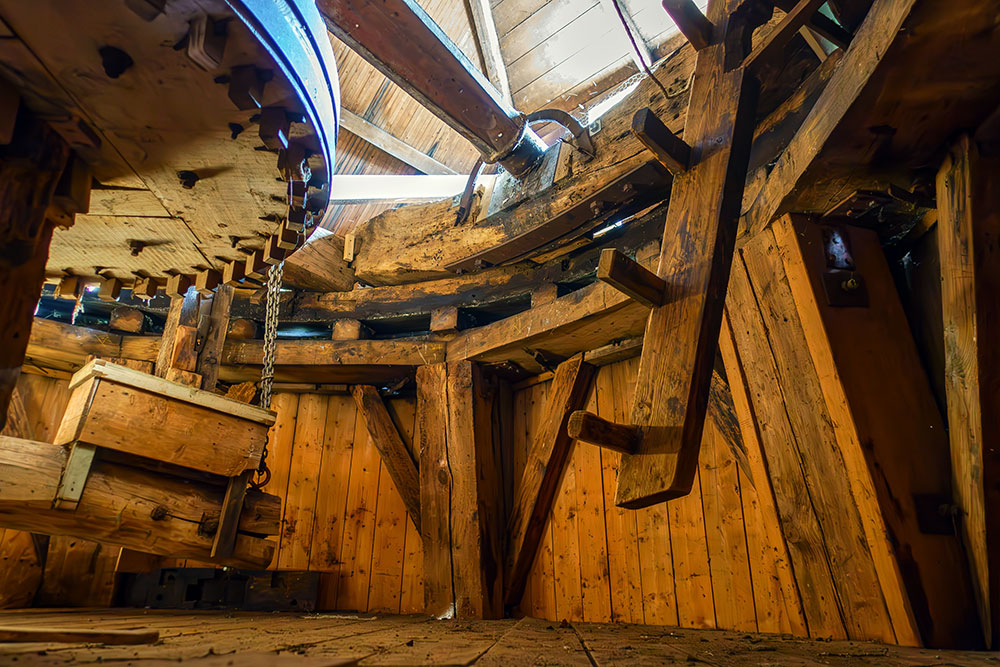
Wooden structure
  • Pro Tip #1

    HISTORICAL FACT
    18th-century shipbuilders used dense ‘Live Oak’ for ship hulls — so tough, cannonballs would glance right off the side.
    Run blue painter’s tape over your cut line before sawing — it prevents wood from splintering and gives you shipbuilder’s precision on every edge.
  • Pro Tip #2

    HISTORICAL FACT
    Colonial painters ground their own pigments from earth and minerals — each batch mixed by hand for consistency no factory could match.
    Always “box” your paint — pour cans into a single bucket and mix — so color stays consistent from first stroke to last, room to room.
  • Pro Tip #3

    HISTORICAL FACT
    Victorian trim carpenters kept their chisels in leather rolls, sharpening at the start of every single workday — no exceptions.
    A dull blade tears wood fibers and leaves rough edges. Sharp tools cut cleaner, faster, and more safely — sharpen before every job.
  • Pro Tip #4

    HISTORICAL FACT
    Ancient Egyptian craftsmen used hand-cut dovetail joints in burial chamber furniture over 3,000 years ago — no glue, no nails, just geometry holding it together for millennia.
    When cutting dovetails, always cut the tails first and use them as your template to scribe the pins — this guarantees a tight mechanical fit every time, just as the ancients relied on.
  • Pro Tip #5

    HISTORICAL FACT
    Medieval cathedral carpenters built roof trusses spanning 60+ feet using only mortise-and-tenon joinery — structures that have outlasted the tools used to make them by 700 years.
    Always cut your tenon slightly fat, then sneak up on the final fit with a shoulder plane or chisel. A tenon that needs light mallet persuasion is the right fit — loose is forever, tight can be fixed.
  • Pro Tip #6

    HISTORICAL FACT
    18th-century furniture makers in colonial America deliberately left cabinet backs unglued and floating in their grooves — they understood wood moves with the seasons long before moisture meters existed.
    Never glue a solid wood panel into a frame. Let it float free in its groove so it can expand and contract with humidity changes — fighting wood movement is a battle you will always lose.